
Vitamin C: Benefits, Deficiency & Daily Nourishment for Health
Vitamin C supports immunity, energy, iron absorption, and stress resilience. Discover gentle Ayurvedic ways to nourish your body daily with food.
Vitamin C: The Daily Nourishment Your Body Quietly Depends On
Vitamin C is one of those nutrients we rarely think about—until we catch frequent colds, notice our wounds taking longer to heal, or wonder why our skin doesn't seem as healthy as it once did.
Modern science explains Vitamin C through its roles in immunity, collagen formation, and antioxidant protection. Ayurveda approaches the same idea from a different perspective—by encouraging fresh, wholesome foods that nourish the body, support resilience, and promote long-term wellbeing.
Why Vitamin C Matters More Than We Realise
Vitamin C quietly supports many of the body's everyday repair and protection systems.
It helps your body produce collagen—the protein that keeps your skin, gums, blood vessels, bones, and joints healthy and strong. It also supports your immune system, protects cells from everyday oxidative stress, and helps wounds heal more efficiently.
Vitamin C also supports healthy blood vessels and plays a small but important role in maintaining normal cholesterol metabolism.
One of Vitamin C's most practical roles is improving the absorption of iron from plant foods. That's one reason traditional meals often combine dals, leafy greens, or legumes with lemon or amla—a simple habit that helps your body make better use of the iron in your food.
Unlike some vitamins, what makes Vitamin C remarkable is this simple fact: your body cannot make it or store large amounts of it. Every day, it depends on fresh food to replenish its supply.
Why Stress Increases Your Need for Vitamin C
Have you ever noticed that after weeks of stress, poor sleep, or overwork, you seem to catch every cold that comes around?
That's not just your imagination.
During periods of physical or emotional stress, your body's demand for Vitamin C naturally increases. Immune cells use it to help protect the body during infections, while the adrenal glands—which help the body respond to stress—also contain high concentrations of Vitamin C.
When stress becomes constant, these reserves are used more quickly than they can be replaced.
This is one reason why long periods of stress may leave you feeling run down, recovering more slowly, or more vulnerable to infections. It's a gentle reminder that nourishing yourself becomes even more important during life's busiest seasons.
Vitamin C & Your Immune Cells
Vitamin C doesn’t merely “boost immunity.” Immune cells — especially neutrophils, the body’s first responders — store high amounts of Vitamin C to work efficiently.
They rely on it to move quickly to sites of infection, fight bacteria and viruses, and gently calm inflammation once the threat has passed.
When Vitamin C levels are low, this balance is disturbed. The immune response may linger longer than necessary, contributing to ongoing fatigue or low-grade inflammation. Simply put, your immune system depends heavily on Vitamin C — and uses it up quickly during illness.
Vitamin C: Essential for Iron Absorption
Vitamin C supports better absorption of iron from plant foods. This is especially important for children, teenagers, women, vegetarians, and those prone to low iron levels. Traditional pairings like amla or lemon with meals reflect this wisdom beautifully.
Vitamin C Supports Energy and Brain Function
Vitamin C helps your body produce energy by supporting important metabolic processes. It also plays a role in making neurotransmitters—the chemical messengers that influence mood, focus, and alertness.
When Vitamin C levels are low, some people may feel more tired, find it harder to concentrate, or recover more slowly from physical and emotional stress.
This is one reason why Vitamin C is important not only during illness, but also during busy periods of work, study, or everyday life.
Where to Get Your Vitamin C Naturally
Amla (Indian gooseberry) is one of nature's most remarkable sources of Vitamin C. Unlike many fruits, its Vitamin C is protected by natural compounds called tannins, which help preserve it even during light cooking. Ayurveda recognised the nourishing value of Amla centuries before Vitamin C was discovered.
Other excellent everyday sources include citrus fruits, guava, kiwi, strawberries, bell peppers (capsicum), tomatoes, broccoli, berries, and fresh green leafy vegetables. In general, the fresher the food, the more Vitamin C it is likely to provide.
Because Vitamin C is sensitive to heat, air, and prolonged storage, a few simple habits can help preserve it:
Add lemon juice after cooking rather than during cooking.
Cut fruits and vegetables just before eating whenever possible.
Use warm rather than very hot water when preparing lemon water.
Enjoy a variety of fresh, seasonal fruits and vegetables every day.
Rich Natural Sources of Vitamin C
Amla (Indian gooseberry)
Guava
Orange
Citrus fruits
Kiwi
Bell peppers (capsicum)
Strawberries and other berries
Tomatoes
Broccoli
Fresh green leafy vegetables
How Much Vitamin C Do You Really Need?
Most adults need about 75–90 mg of Vitamin C each day, but you don't need to count milligrams. For most people, enjoying one or two servings of fresh Vitamin C-rich fruits along with vegetables every day is enough to meet the body's needs.
Some people may need more because their bodies use Vitamin C more quickly, including:
Smokers
People recovering from illness or surgery
Those living with chronic illnesses
People experiencing prolonged physical or emotional stress
Ayurveda gently reminds us that good nourishment is about more than numbers. It focuses on maintaining Rasa Dhatu—the first nourishing tissue formed after digestion, which supports hydration, healthy skin, vitality, and overall wellbeing.
Fresh, seasonal foods rich in Vitamin C naturally support this process, helping the body renew itself day after day.
Simple Ways to Bring Vitamin C Into Your Day
Good health is often built through small, consistent habits rather than big changes.
Begin your morning with plain warm water to gently awaken digestion. If your digestion is comfortable and acidity is not an issue, you may occasionally add a little fresh lemon or amla juice.
Enjoy fresh fruits, especially Vitamin C-rich ones, as a mid-morning snack whenever possible. This is often a comfortable time for digestion and helps you include fresh foods naturally in your day.
Add lemon juice to cooked dals, vegetables, or salads after cooking to help preserve its Vitamin C. Include a variety of fresh fruits and lightly cooked vegetables throughout the week rather than relying on just one source.
If lemon doesn't suit your digestion, try adding fresh coriander, grated amla, or seasonal raw mango to your meals instead. These gentle additions bring freshness, flavour, and natural Vitamin C without relying on lemon alone.
If citrus fruits tend to worsen acidity, Amla may be a gentler choice for many people. Ayurveda also advises avoiding citrus fruits together with milk, as this combination may not suit everyone's digestion.
Remember, you don't need perfect meals every day. A few fresh, seasonal Vitamin C-rich foods, enjoyed regularly, can quietly nourish your body over time.
Fresh Herbs That Quietly Add Vitamin C
Your main sources of Vitamin C should always be fresh fruits and vegetables. But a few everyday herbs quietly add a little more to your meal.
Fresh coriander (dhania): Rich in Vitamin C and best added just before serving.
Fresh curry leaves: Provide small amounts of Vitamin C along with many beneficial plant compounds.
Fresh methi (fenugreek) leaves: Add Vitamin C, fibre, and other valuable nutrients when included regularly.
Swasti Tip: These herbs may not replace fruits, but they beautifully reflect Ayurveda's wisdom—many small, nourishing additions can make a meaningful difference over time.
Ayurveda's Perspective on Vitamin C
Ayurveda does not describe nutrients as vitamins, yet it has long valued fresh fruits, seasonal foods, and Amla (Indian gooseberry) for promoting strength, resilience, and healthy ageing.
Amla is the principal ingredient in Chyawanprash, one of Ayurveda's most celebrated Rasayana formulations. Traditionally, it is used to support vitality, healthy digestion, respiratory health, and overall wellbeing as part of a balanced lifestyle.
Rather than focusing on a single nutrient, Ayurveda reminds us that lasting health comes from wholesome food, healthy digestion (Agni), balanced routines, and foods that gently nourish the body over time.
Ayurveda reminds us that nourishment is not only about what we eat, but also about what our body is ready to receive.
Frequently Asked Questions
Can I take Vitamin C at night?
Yes. Vitamin C can be taken at any time of the day. However, many people find it easier to include Vitamin C-rich foods with breakfast or lunch, where they naturally pair well with meals. The most important thing is regular daily intake rather than the time of day.
Can you get too much Vitamin C from food?
It's very uncommon. Your body regulates Vitamin C from foods well, and excess amounts are usually excreted in urine. Problems are more likely with very high-dose supplements than with fruits and vegetables.
Is packaged fruit juice a good source of Vitamin C?
Fresh fruits are usually the better choice. Many packaged juices contain added sugar and may lose some Vitamin C during processing and storage, even if they are fortified.
Why doesn't eating one orange a week prevent Vitamin C deficiency?
Unlike some vitamins, your body cannot make or store large amounts of Vitamin C. It depends on regular intake from fresh foods, which is why small daily sources are more valuable than occasional large amounts.
True nourishment isn't about searching for one perfect fruit or supplement. It comes from enjoying a colourful variety of fresh, seasonal foods every day. When these simple habits become part of your routine, Vitamin C quietly supports your body's natural ability to heal, protect, and thrive.
Disclaimer
This article is for informational and educational purposes only. It is not a substitute for medical advice, diagnosis, or treatment.
Please consult a qualified healthcare professional or your trusted medical practitioner for personalised guidance, especially if you have existing health conditions, are pregnant, or are taking supplements or medications.
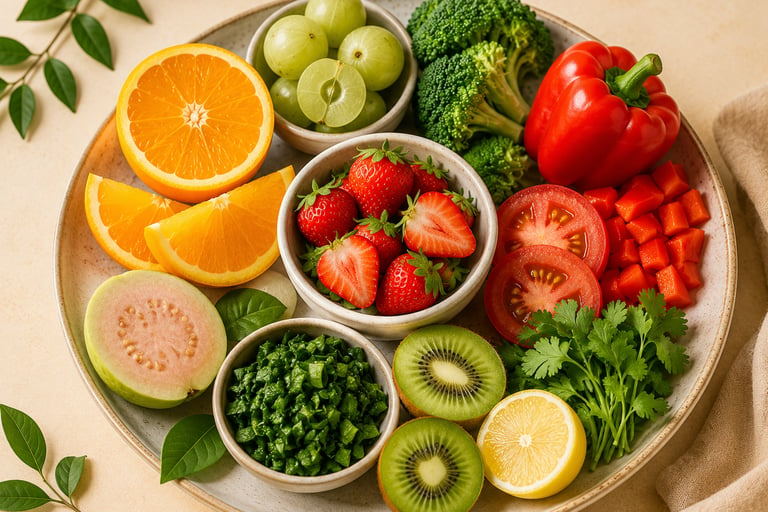
Vitamin C-rich foods
swastiayurvedaofficial@gmail.com
+919995356463
About us
Dr. Neethu Mithun
Ayurvedic Physician (BAMS, MD) ·
Founder, Swasti Ayurveda